
 1
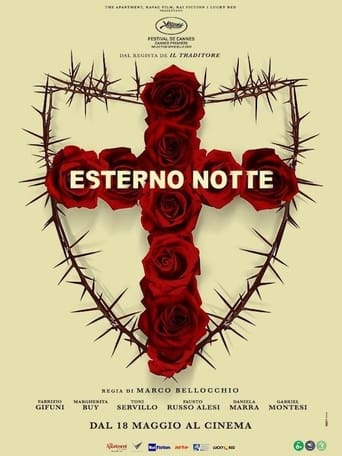
1Esterno Notte (part I)
TMDB7.8
2022·137 votes
The 1978 kidnapping and assassination of former Italian Prime Minister Aldo Moro by Red Brigades terrorists.
The Movie Machine
Deep search with a sense of humor.
The deepest movie search there is: load the whole catalog, cut your dealbreakers — any actor, genre, or vibe— and the machine ranks what's left.
Genre, era, runtime, who's in it — and every dealbreaker you've got.
The machine searches the whole catalog and ranks the matches to your taste.
Ranked, with a trailer and where to watch. Press play.
1The 1978 kidnapping and assassination of former Italian Prime Minister Aldo Moro by Red Brigades terrorists.
 2
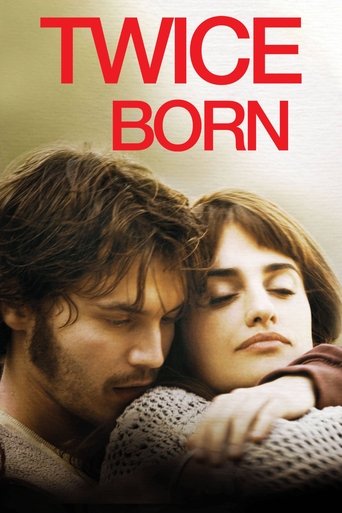
2Full-throttle melodrama about an ill-starred romance set against the backdrop of the siege of Sarajevo. A mother brings her teenage son to Sarajevo, where his father died in the Bosnian conflict years ago.
 3
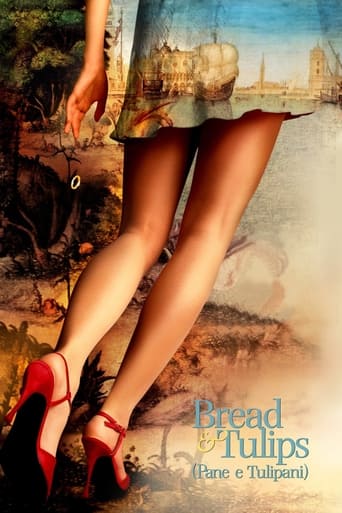
3An endearing light comedy about a woman who spontaneously becomes a resident of Venice after her family left her behind. While enjoying the wonderful people she meets she achieves a new life and the first time independent of her family.
 4
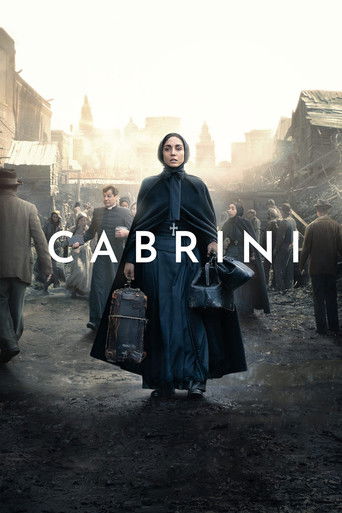
4Italian immigrant Francesca Cabrini arrives in 1889 New York City and is greeted by disease, crime, and impoverished children. Cabrini sets off on a daring mission to convince the hostile mayor to secure housing and healthcare for society's most vulnerable. With broken English and poor health, Cabrini uses her entrepreneurial mind to build an empire of hope unlike anything the world had ever seen.
 5
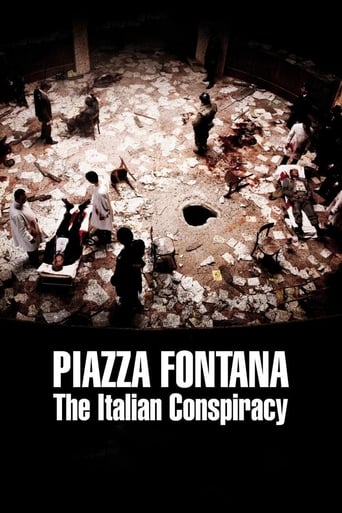
5On December 12, 1969, a bomb kills 17 people at the Piazza Fontana national bank in Milan, Italy, marking the beginning of the Years of Lead. Local anarchists are scapegoated for the massacre by police and the media, but a lone prosecutor uncovers a conspiracy of far-right groups, corrupt secret services, and other interests that seek to undermine democracy.
 6
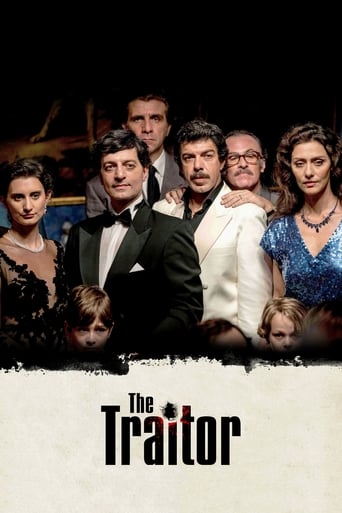
6Palermo, Sicily, 1980. Mafia member Tommaso Buscetta decides to move to Brazil with his family fleeing the constant war between the different clans of the criminal organization. But when, after living several misfortunes, he is forced to return to Italy, he makes a bold decision that will change his life and the destiny of Cosa Nostra forever.
 7
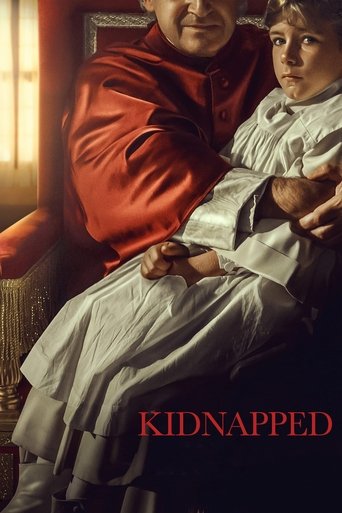
7The story of Edgardo Mortara, a young Jewish boy living in Bologna, Italy, who in 1858, after being secretly baptized, was forcibly taken from his family to be raised as a Christian. His parents’ struggle to free their son became part of a larger political battle that pitted the papacy against forces of democracy and Italian unification.
 8
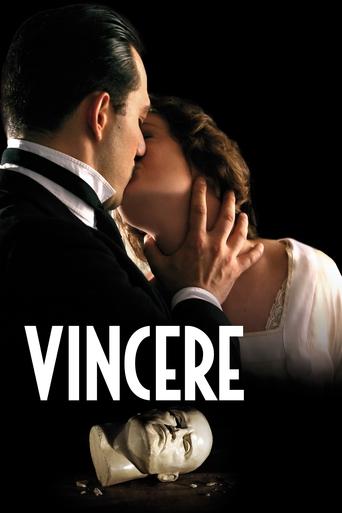
8The story of the descent into madness of Mussolini's secret first wife, Ida Dasler, who was seduced by his passion and vigor but blind to the fascist dictator's many flaws.
 9
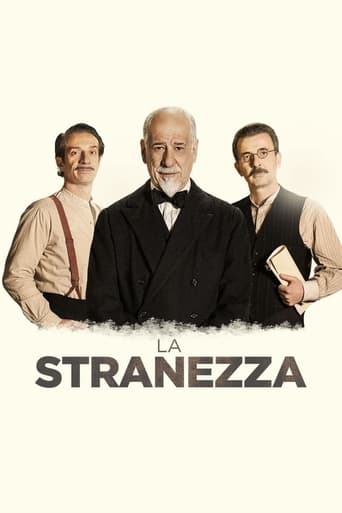
9During a trip to Sicily in 1920, Luigi Pirandello meets two gravediggers-turned-playwrights rehearsing a play with their amateur dramatics. Pirandello takes an interest in the odd couple, having been suffering from writer's block while working on his eventual masterpiece, Six Characters in Search of an Author.
 10
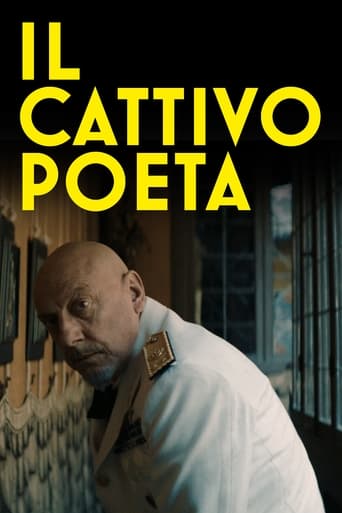
101936. Giovanni Comini, the youngest Federal in Fascist Italy, is summoned to Rome for a delicate mission: to surveil aging national poet Gabriele D'Annunzio, whose increasingly restless behavior Mussolini fears could damage his alliance with Nazi Germany. However, after spending time with D'Annunzio, Comini finds himself torn between loyalty to the Party and his fascination with the poet, who will put his burgeoning career at risk.
 11
11Loosely based on real events that took place during Matteo Messina Denaro's thirty years on the run. A disgraced politician is gifted a second chance when secret services involve him in an operation to root out an elusive Mafia boss. Using his personal connection as the Boss' godfather, his task is to get him to reveal his hiding place in their secret letters.
 12
12Three well-off young men—former students at Rome’s prestigious all-boys Catholic high school San Leone Magno—brutally tortured, raped, and murdered two young women in 1975. The event, which came to be known as the Circeo massacre, shocked and captivated the country, exposing the violence and dark underbelly of the upper middle class at a moment when the traditional structures of family and religion were seen as under threat.